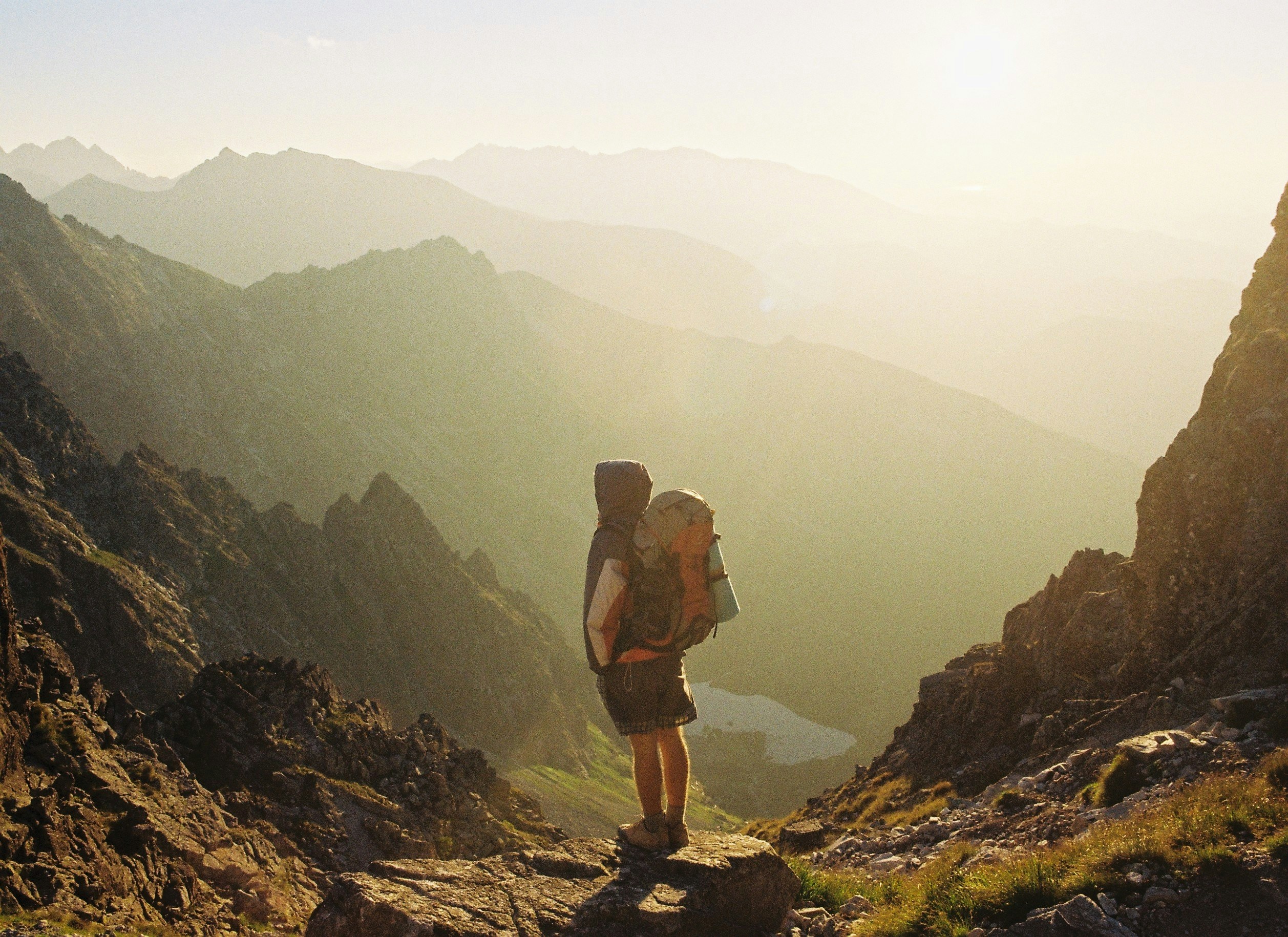
Every October, the major travel publications drop their "best destinations" lists for the year ahead. Lonely Planet ranks countries, regions, and cities. Condé Nast Traveler runs its Hot List. The New York Times publishes "52 Places to Go." TIME, BBC, National Geographic — they all have one. Most of them are aimed at people staying in boutique hotels and eating at chef-driven restaurants.
This list is different. It's the same destinations — the ones that show up across multiple 2025–2026 travel rankings — but filtered through a single question: does it actually work for someone with a 60-litre bag, a $40 daily budget, and no fixed itinerary?
To make the cut, a country needs to hit at least four of these five tests:
- A working hostel scene. Meaning: more than three cities with private and dorm options on Hostelworld, not just one capital with a single Selina franchise.
- Daily costs in the $25–55 range. Achievable on dorms, street food, and overland transport. Not "I can survive here" but "I can travel here for two months."
- An easy visa. Visa-free or visa-on-arrival for most major Western passports, ideally for at least 30 days.
- Reliable overland transport. Real long-distance buses, working trains, ride-share apps that actually function.
- Reasonable safety. Backpackers — including solo travellers — are common, and standard precautions are enough.
What this list is not: a ranking of "best to worst." The order below is roughly geographic. Pick what fits your route, your visa situation, your weather window. Most backpackers will stitch together two or three of these into a 3–6 month trip.
If you're already in the planning stage and looking for what to actually do when you get there with a circle of new hostel friends, our companion guides on hostel icebreaker games and travel games for long bus journeys are designed for exactly that moment.
Daily-budget ranges below are community-aggregated approximations for a backpacker on dorm beds, street food, and overland transport — not operator-quoted prices. Sources: BudgetYourTrip city averages, Numbeo cost-of-living indices, and Reddit r/solotravel/r/shoestring trip reports from the past 12 months. Cited as ranges (e.g. $25–35) because real spend varies massively by season, drinking habits, and how many tours you book.
Use these figures for trip planning, not booking decisions. Always verify a specific hostel/transport price the week you book — Vietnam, Sri Lanka and Albania in particular have seen 15–30% travel-cost rises since 2023 from currency shifts and post-pandemic tourism recovery.
The 10 Countries
NB · DESTINATION 01Vietnam
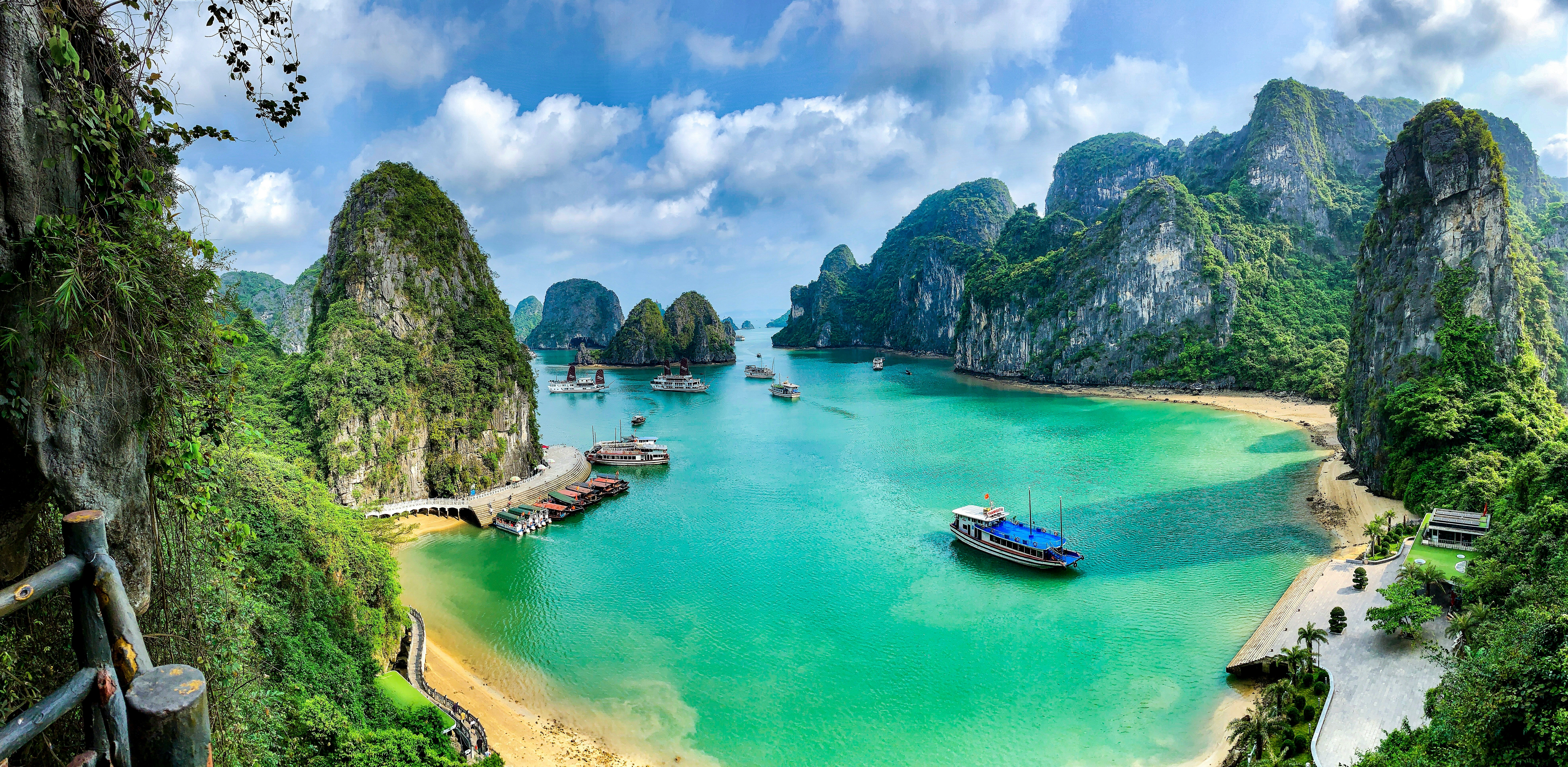 Halong Bay · Vietnam
The undisputed flagship of Southeast Asian backpacking. Vietnam's north-to-south corridor — Hanoi, Ninh Binh, Hue, Hoi An, Ho Chi Minh City — has been refined over twenty years of backpacker traffic into something close to a packaged adventure. You can't really get lost on it. You also can't really run out of side-quests: Sapa's mountain treks, Phong Nha's cave systems, Da Lat's coffee country.
The reason Vietnam stays on every list is the combination of density and cheapness. A bowl of pho costs $1.50, a sleeper bus from Hanoi to Hue costs $15, and a private hostel room with breakfast can run as low as $12. Even with the recent infrastructure spending — high-speed trains, expanded e-visa coverage — daily costs for a budget traveller still sit around $25–35.
NB · DESTINATION 02Laos
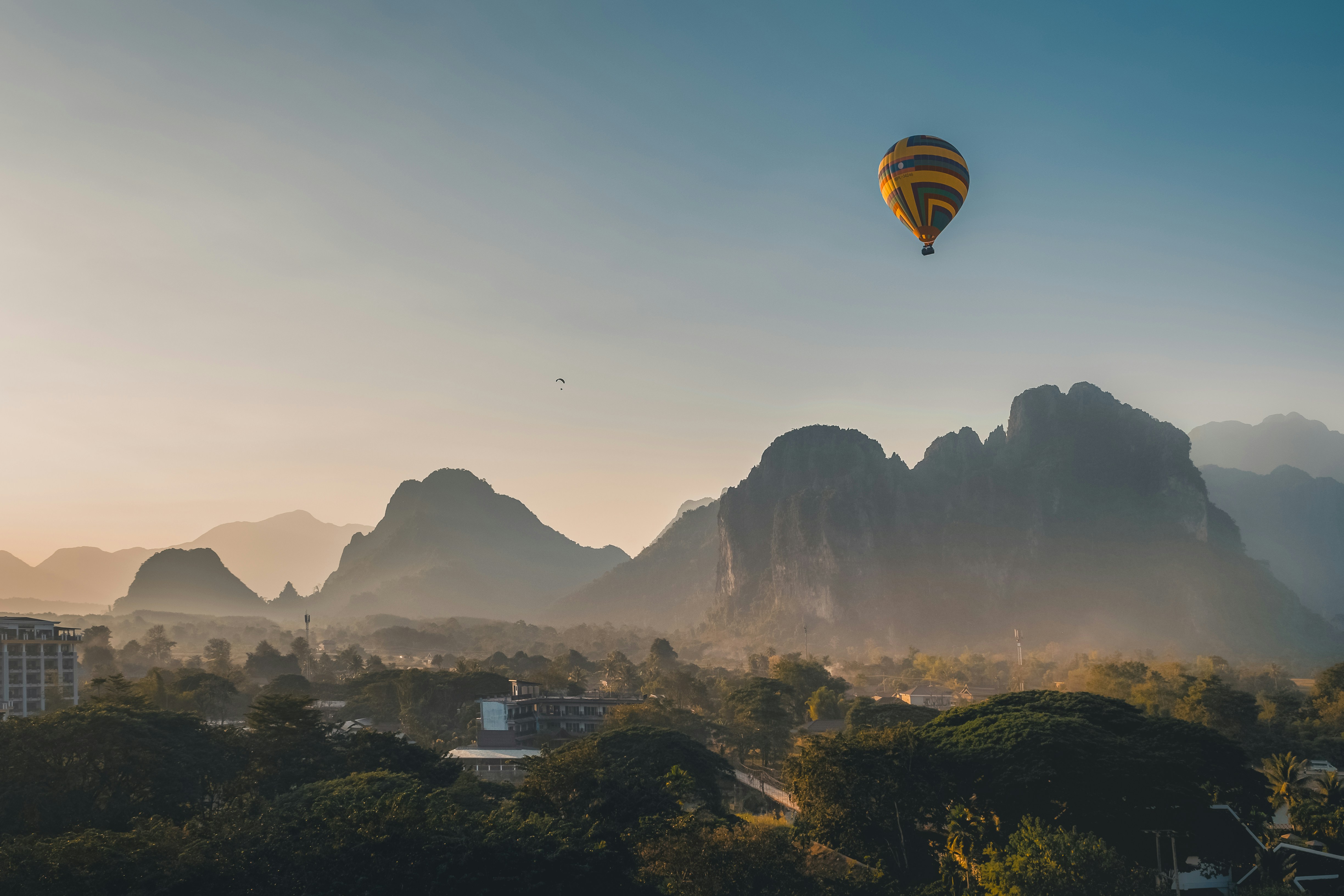 Vang Vieng · Laos
Vietnam's quieter, slower neighbour. Laos doesn't have Vietnam's infrastructure or Thailand's polish, and that's exactly why it stays on backpacker lists. The Mekong cuts through the country, the temples in Luang Prabang remain genuinely contemplative even with tourism, and the slow boat from Huay Xai to Luang Prabang is one of the rare 2-day journeys that backpackers still describe as a highlight rather than a chore.
Costs are even lower than Vietnam. $20–30 per day is realistic, and that's including the kayaking, tubing, and motorbike rentals that fill most itineraries. The 2024 Boten–Vientiane high-speed rail link transformed access from China and dramatically cut overland transport times within the country.
NB · DESTINATION 03Sri Lanka
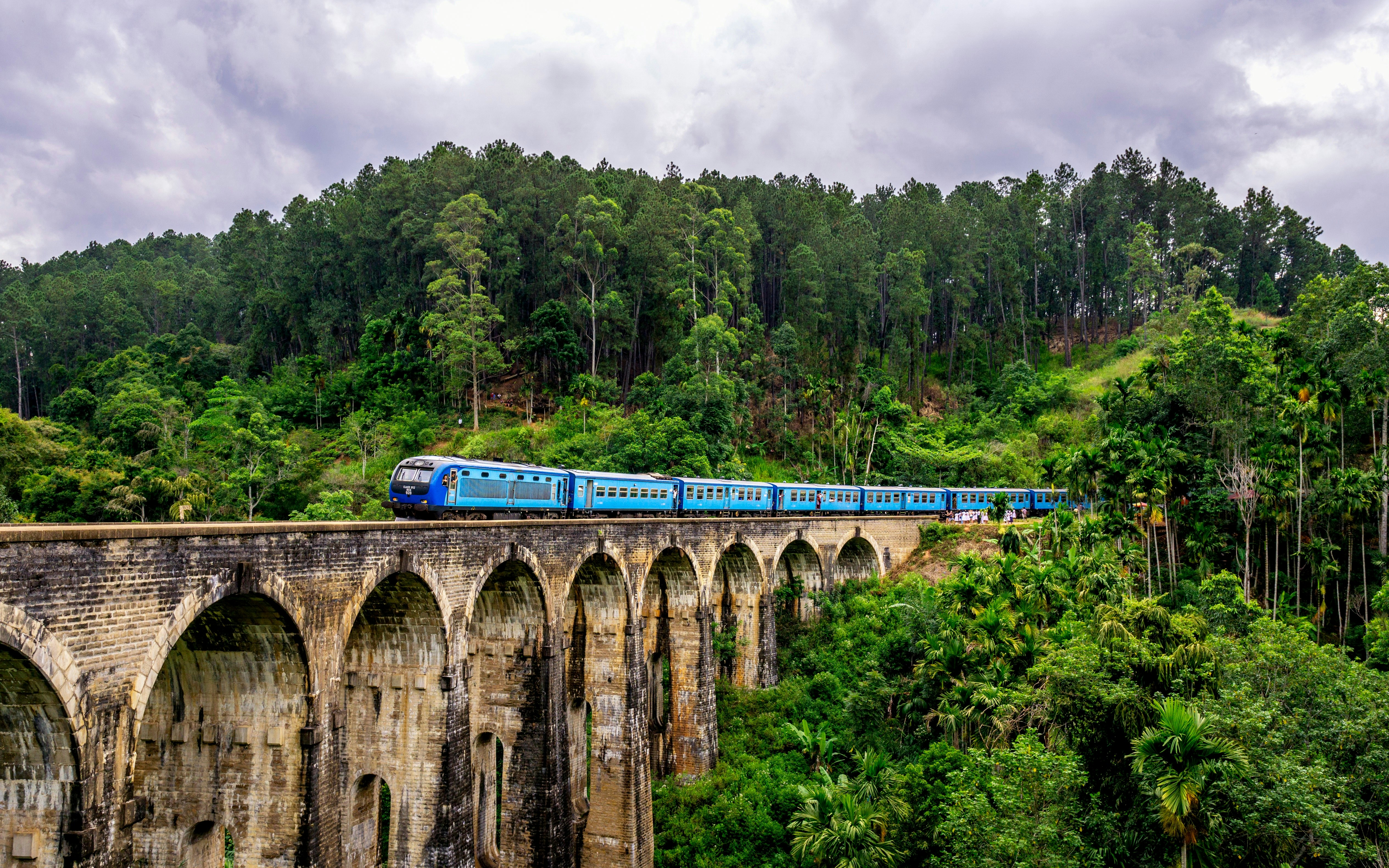 Nine Arch Bridge · Ella
Sri Lanka's tourism collapsed during 2022's economic crisis and has been rebuilding since. The result for backpackers in 2025–2026 is genuinely good: prices stayed low, infrastructure mostly held, and the crowds haven't returned to pre-pandemic levels. The island's small size makes it possible to see beach, mountain, jungle, and ancient ruins in a 10-day loop without the burnout of larger countries.
The train from Kandy to Ella is one of those routes that genuinely earns its Instagram fame — six hours of tea plantations and cloud forests for around $2 if you ride second-class. Standard daily costs sit at $30–45 with hostel dorms readily available in Colombo, Kandy, Ella, and along the south coast.
NB · DESTINATION 04Kyrgyzstan
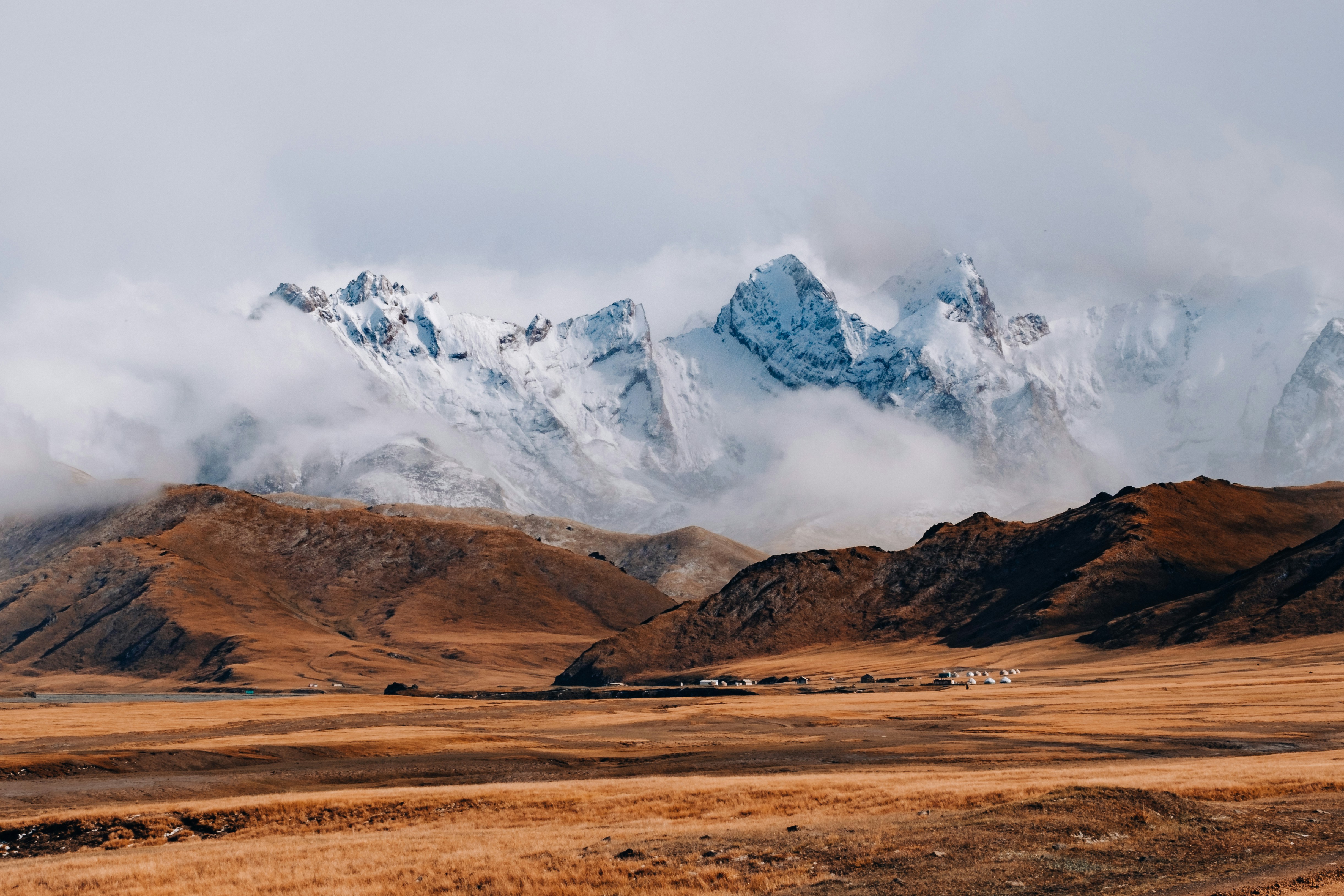 Tien Shan · Kyrgyzstan
Central Asia's open door. Kyrgyzstan offers visa-free entry of 60 days for most Western passport holders, which is rare in the region. The reward for the long flight in is some of the best high-altitude trekking outside the Himalayas, costing a fraction of what equivalent treks in Nepal or Patagonia run.
Bishkek isn't a tourist destination on its own, but it's a launching point. The real attractions are out: Issyk-Kul (the world's second-largest alpine lake), the Tien Shan mountains, the yurt camps in Song-Kol. CBT Kyrgyzstan — a community-based tourism network — connects backpackers with local families for homestays at standardized rates, which is one of the most ethical and affordable accommodation systems anywhere.
NB · DESTINATION 05Georgia
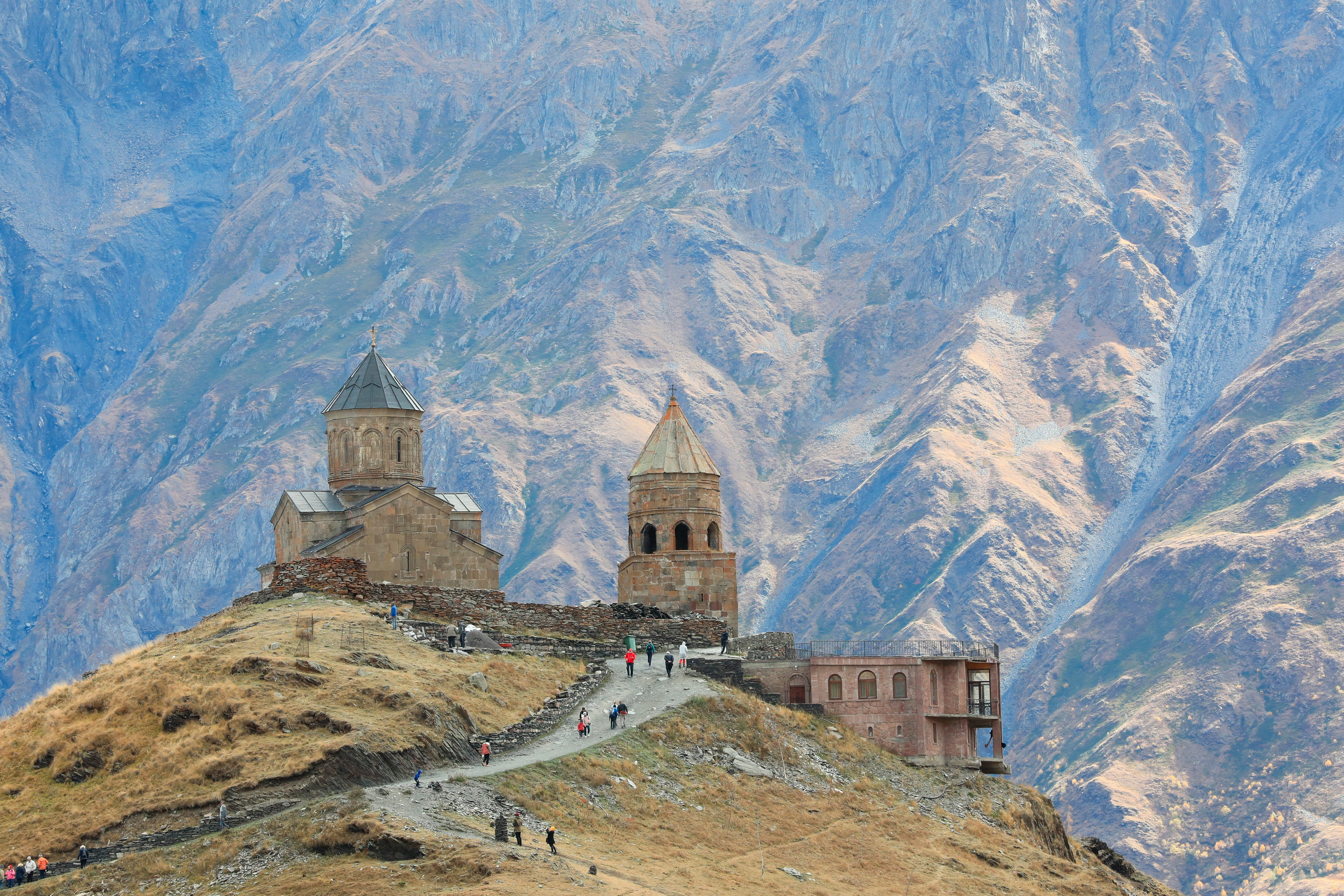 Gergeti · Kazbegi
Georgia (the country, not the US state) is the Caucasus story of the past five years. Its visa policy is genuinely extraordinary: most Western passports get one full year of visa-free stay, no questions asked, no border run required. The country has used this to position itself as a digital nomad and long-stay destination, but it's just as suited to two-week backpacking trips.
The pull is the food (legitimately one of the world's underrated cuisines), the wine (the world's oldest wine-making tradition, by archaeological evidence), and the trekking in Svaneti. Tbilisi has a hostel scene that punches above its weight for a city of 1.2 million, and overland transport via shared marshrutkas is cheap and surprisingly efficient.
NB · DESTINATION 06Albania
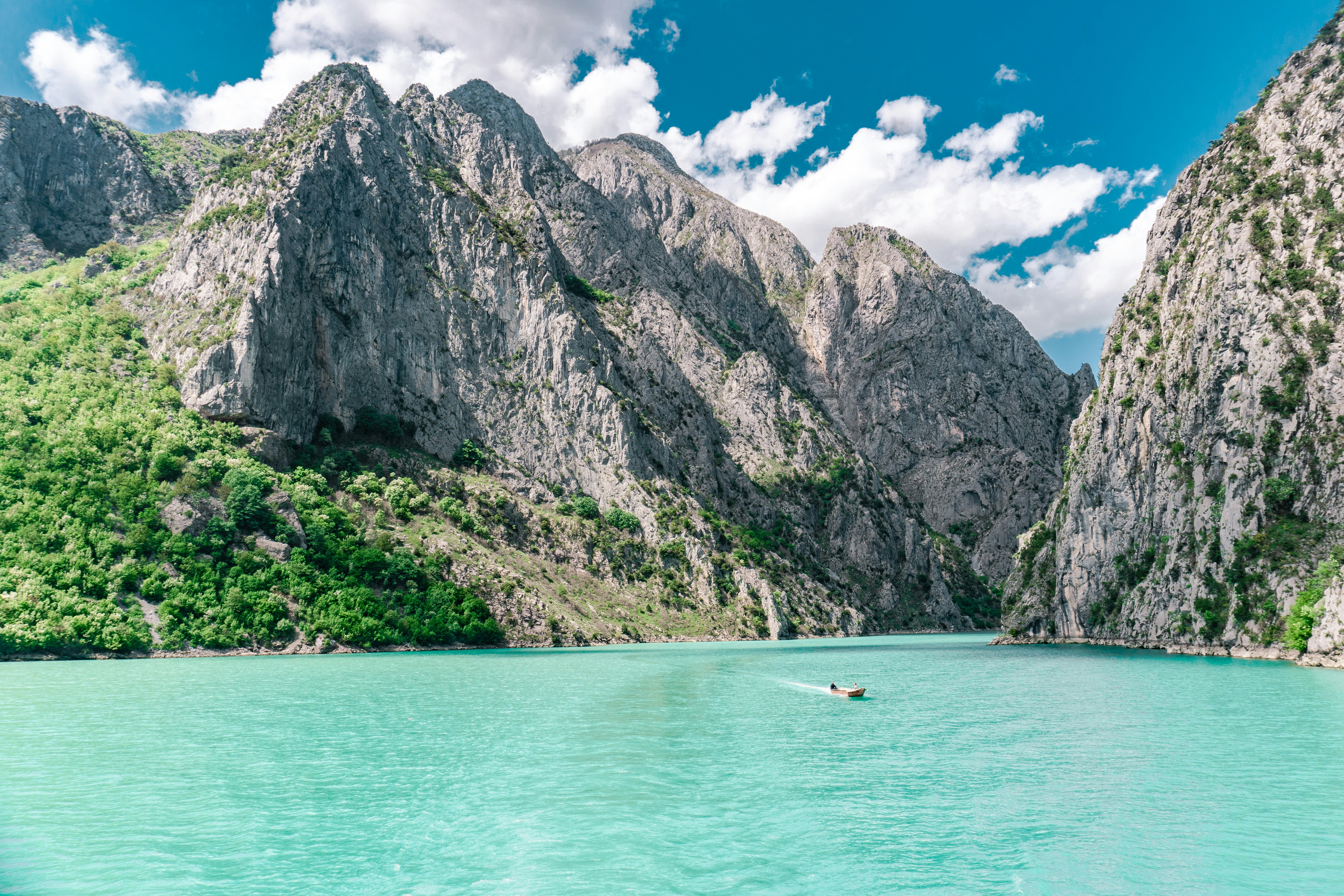 Komani Lake · Albania
Europe's last cheap coastline. Albania has been quietly drawing the budget travellers who used to do Croatia ten years ago, before Croatia's prices doubled. The Albanian Riviera — Saranda, Ksamil, Himara — has the same Adriatic colour palette at half the cost. Inland, the Accursed Mountains in the north offer some of the most underrated trekking in Europe, particularly the Valbona to Theth crossing.
For backpackers, Albania hits the unusual sweet spot of being European-cheap but visa-easy: 90 days visa-free for most Western passports. The hostel network in Tirana, Berat, and along the coast is small but functional. Cash is still king in much of the country, ATMs are common in cities but rare in villages.
NB · DESTINATION 07Slovenia
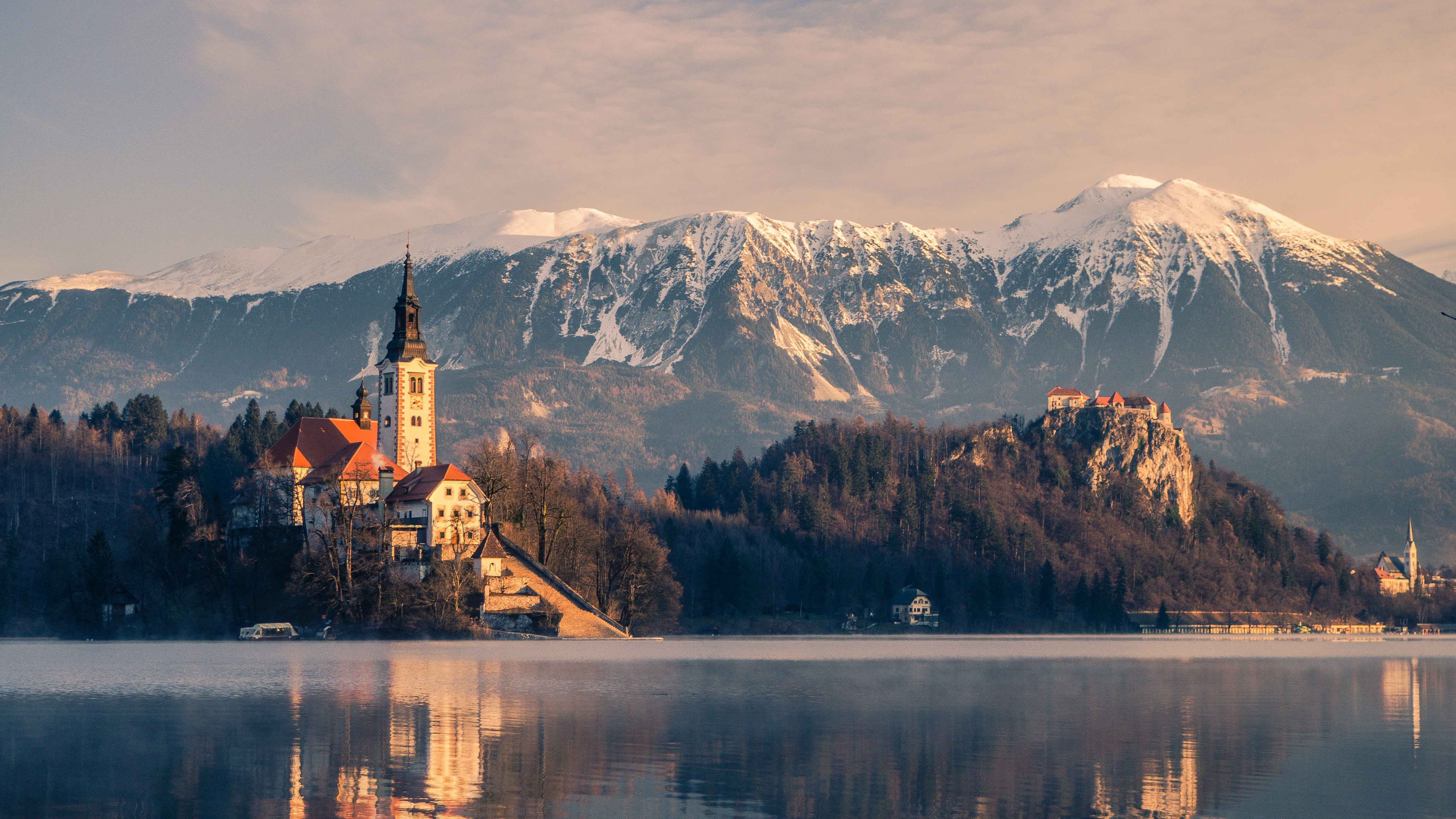 Lake Bled · Slovenia
Slovenia is the easiest "wow" in Europe. Lake Bled is on every postcard for a reason. But beyond Bled, the country has Ljubljana (one of Europe's most walkable capitals), the Soča Valley (turquoise rivers and Julian Alps trekking), and a Mediterranean coast at Koper and Piran that's genuinely beautiful even though it's only 47 km long.
Costs are higher than the rest of this list — Slovenia is firmly in the EU and uses the euro — but at $50–80 per day, it's still one of the more accessible Western European destinations. The country's small size means you can see most of it in a 10-day loop using just the public bus network.
NB · DESTINATION 08Portugal
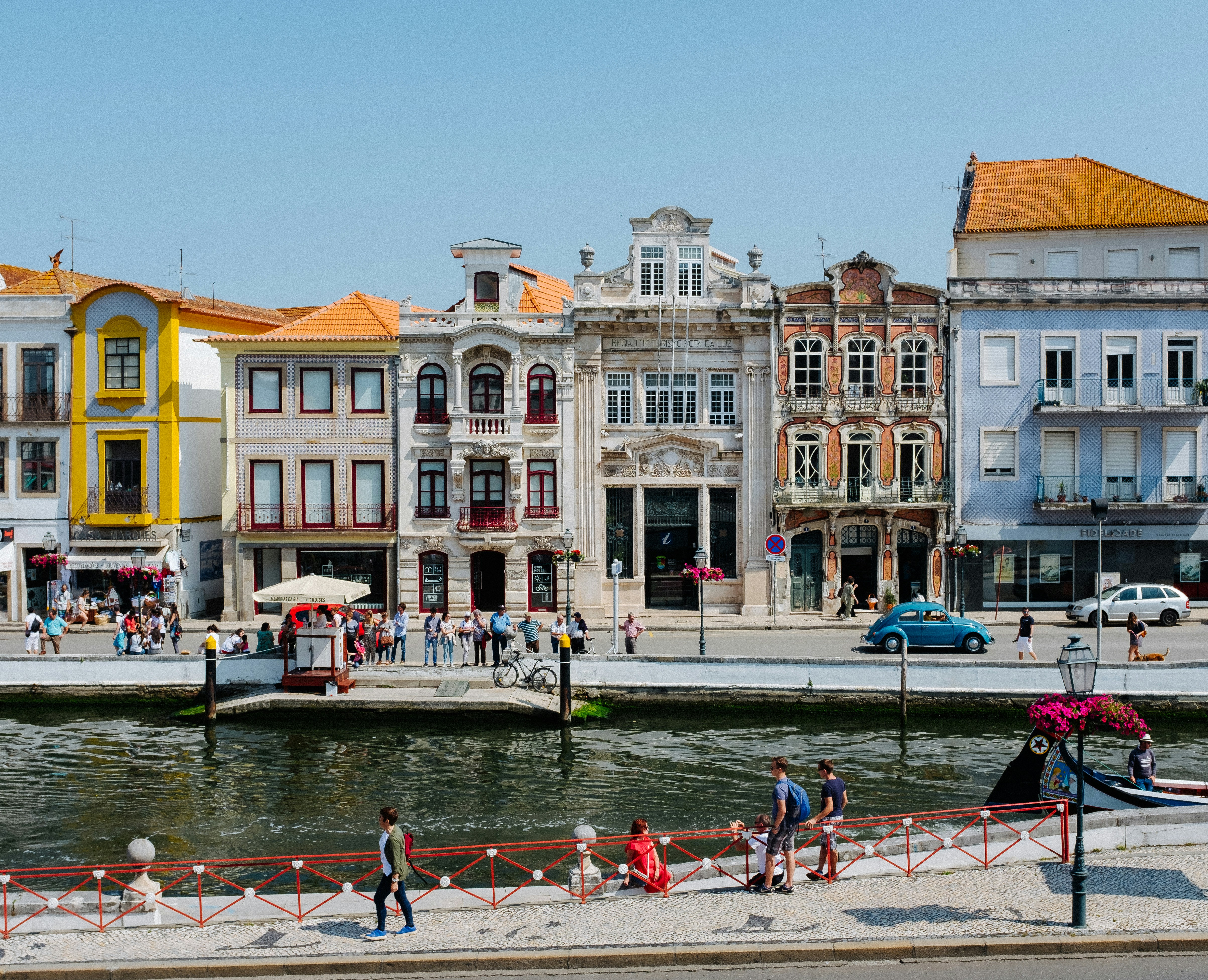 Aveiro · Portugal
Portugal sits at the upper edge of "backpacker-friendly" cost-wise, but earns its place through density. Lisbon, Porto, Lagos, and Faro all have multiple hostels with dorm beds under €25, and the public bus network connects them at low cost. The food, the language being relatively learnable, and the high baseline of English in tourist areas make it one of the easiest first European backpacking trips.
The country's biggest backpacker secret in 2025–2026 is the Azores. Nine volcanic islands in the middle of the Atlantic, a four-hour flight from Lisbon, and prices that haven't yet caught up to the rest of Europe. Sao Miguel and Faial are the easiest entry points.
NB · DESTINATION 09Mexico
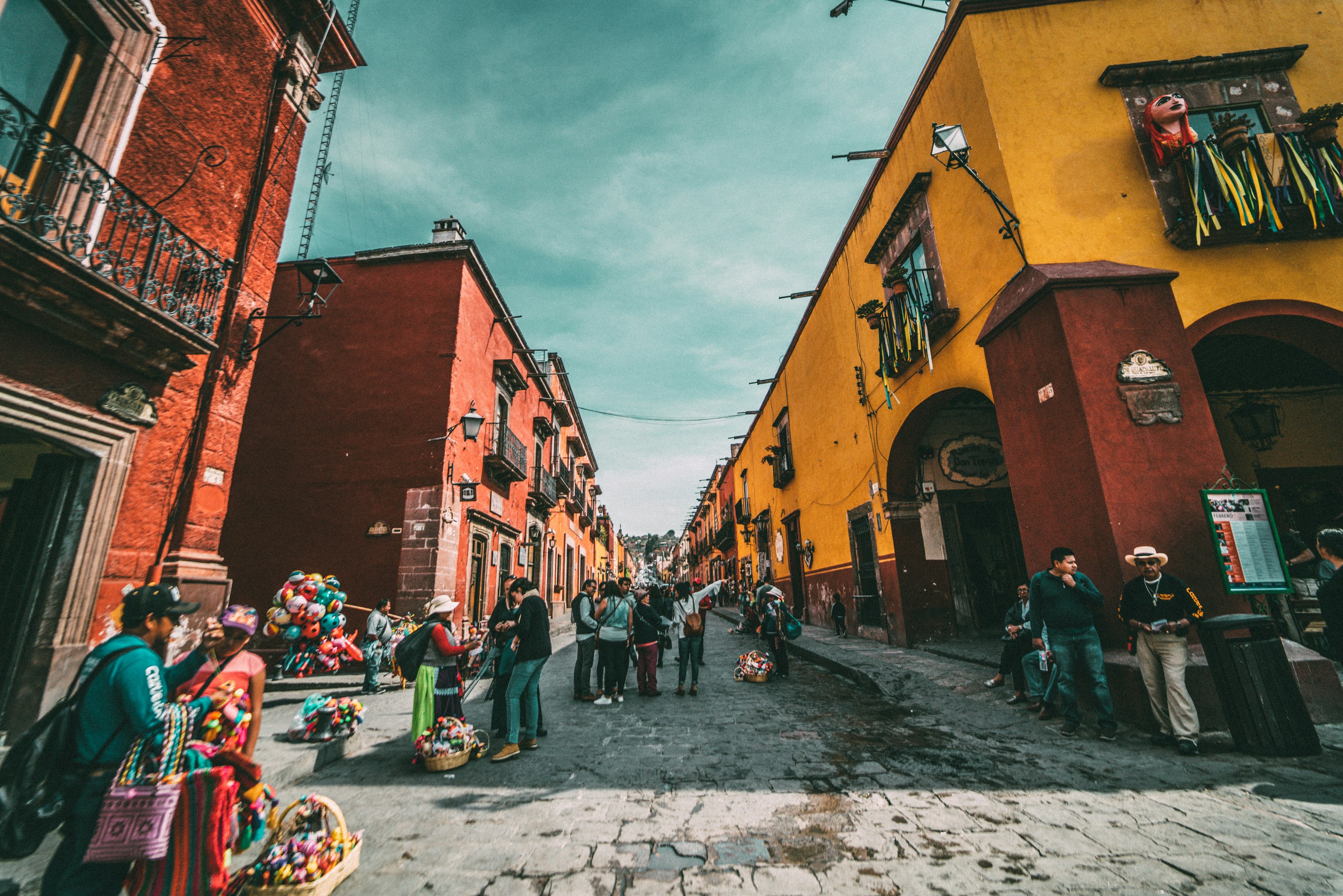 San Miguel de Allende · Mexico
Bigger than most travellers realize, and with regional variation that puts Western Europe to shame. Mexico is three or four trips bundled into one: Yucatán beaches and Mayan ruins, Mexico City urbanism, Oaxaca's mountain villages and food, the Pacific coast surf towns. Each could fill a month.
The country has one of the densest hostel networks in the Americas, particularly along the Oaxaca–Chiapas–Yucatán route that defines most first trips. Daily costs vary widely — Mexico City is the most expensive at $40–55, while Oaxaca and the Pacific coast can sit comfortably at $30–40. Spanish helps but isn't strictly required for the gringo trail.
NB · DESTINATION 10Colombia
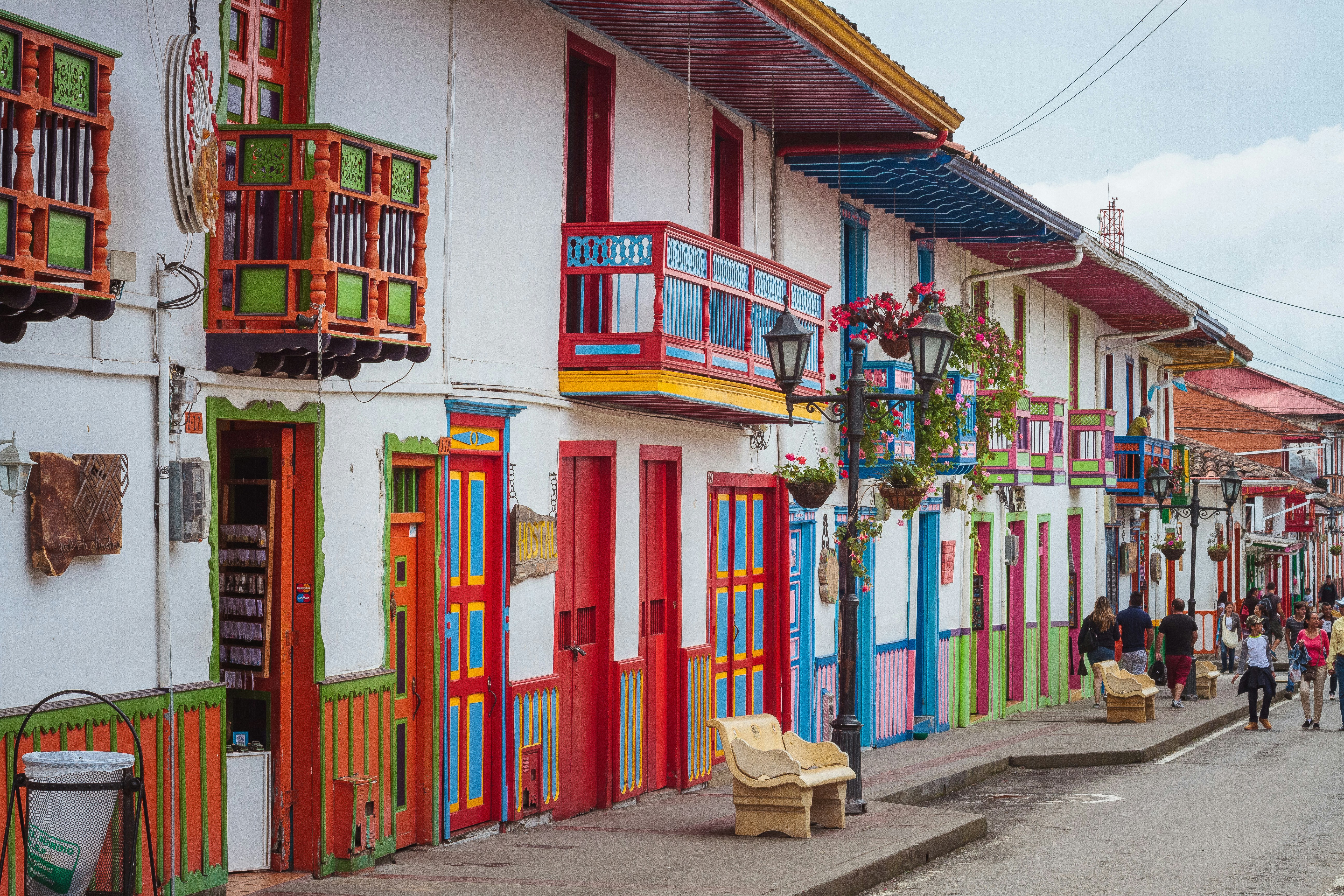 Salento · Colombia
Colombia's reputation lags 15 years behind its reality. The country is one of the most rewarding backpacker destinations in the Americas right now — Medellín for the digital nomad scene, Cartagena for Caribbean colour, the Cocora Valley for cloud-forest hiking, and Salento for coffee tours that are actually interesting.
Standard precautions still apply (don't display valuables in unfamiliar neighbourhoods, use registered taxis, don't accept drinks from strangers in nightclubs), but the gringo trail through Cartagena → Medellín → Salento → Bogotá is well-trodden, well-hosteled, and well-supported. Daily costs run $30–45, with Medellín at the higher end thanks to digital nomad demand.
How to Actually Plan a Trip From This List
Ten countries is a lot. Almost no one will do all ten in a single trip — and you shouldn't try. The smarter move is to pick a region and depth-first it.
Southeast Asia route (3 months): Vietnam → Laos → optional add-on to northern Thailand or Cambodia. The visa policies stack well, the overland transport is efficient, and the daily budget stays around $25–30 throughout.
Caucasus + Central Asia route (2–3 months): Georgia → Armenia → Kyrgyzstan. Long flights between countries, but Georgia's 365-day visa lets you use it as a base. The costs are similar across the three.
Latin America gringo trail (3–6 months): Mexico → Guatemala → Colombia (skipping the more expensive central Americas if budget is tight). Spanish becomes essential after Mexico's tourist zones, but the language barrier opens up the experience rather than closing it.
European loop (1–2 months): Portugal → Spain → southern Italy → Slovenia → Albania. The Schengen 90/180 rule applies to the EU portions, but Albania resets your clock. Higher daily budget than the Asia or Latin America routes, but distances are shorter and trains run on time.
Sri Lanka standalone (2–4 weeks): Doesn't combine well with much else due to flight geography, but the country is small enough that even a 2-week trip feels complete.
Once the destinations are picked and the route is loose, the next layer is what the year actually feels like month-by-month. Our companion piece on what a gap year is actually like in 2026 covers the lonely stretch, the productivity wall, and the reverse culture shock with sourced data.
Sources
Daily-budget ranges and visa figures here are aggregated from the following sources, accurate as of April 2026.
- BudgetYourTrip — community-reported daily spend by country — primary source for dorm + street-food + overland averages.
- Numbeo Cost-of-Living Indices — used to sanity-check restaurant, transport, and accommodation line items.
- Reddit r/solotravel & r/shoestring — recent trip reports for season-specific reality checks.
- For visa requirements, always check the destination country's official immigration portal — visa rules change without notice, and travel-blog summaries lag.
Caveats: These ranges are backpacker-tier spend (dorms, street food, public/overland transport). Mid-range and flashpacker spend can run 1.5–3× higher. Costs are quoted in USD at typical 2026 exchange rates — if a destination's currency has moved sharply (Argentina, Sri Lanka, Egypt, Turkey have all seen 30%+ swings recently), confirm the live rate before assuming the dollar figure still applies.

